If You Were at this Performance, You Know…
There are concerts you enjoy, and then there are concerts that seem to become something larger—in memory, in meaning, and in community. The LaGrange Symphony Orchestra’s “250 Years of Being” program was unmistakably the latter. The shared experience was more than simply listening to music. It was personal, uplifting, and had a wonderful surprise ending!
A Star-Spangled Reflection
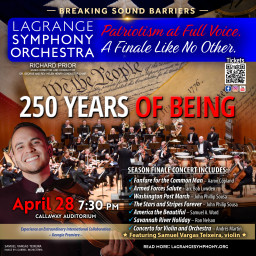
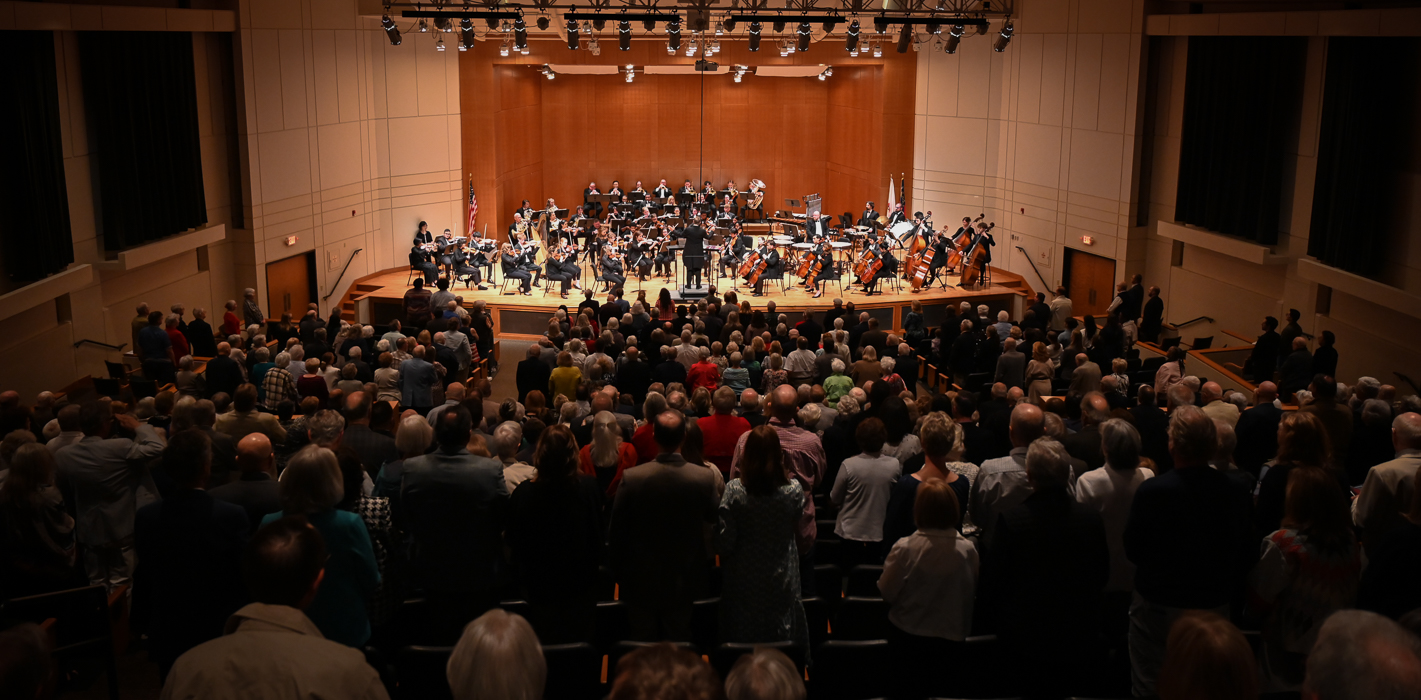
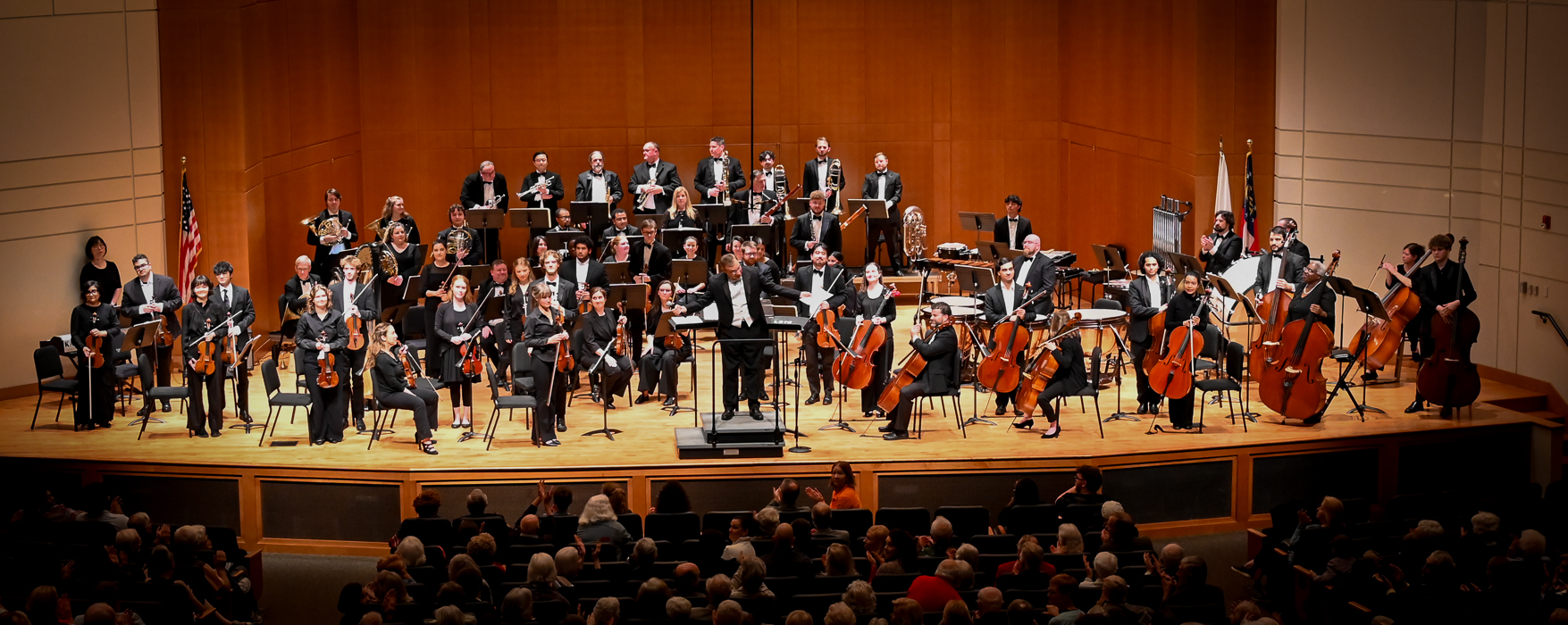
Under the direction of Maestro Richard Prior, with Callie Hammond leading as concertmaster, the evening unfolded with both ceremony and warmth. It opened, fittingly, with The Star-Spangled Banner, which is a favorite for so many in the audience. The full house rose to their feet immediately, as captured in the photo, setting a tone of honor and reflection that carried naturally into Bob Lowden’s Armed Forces Salute. One of the most moving moments of the first half, the Maestro invited veterans to stand as each branch’s song was heard, and the hall responded with warm, sustained applause for each branch. It wasn’t just acknowledgment—it was a shared expression of gratitude and was an unspoken exchange between stage and audience.
Americana in Motion
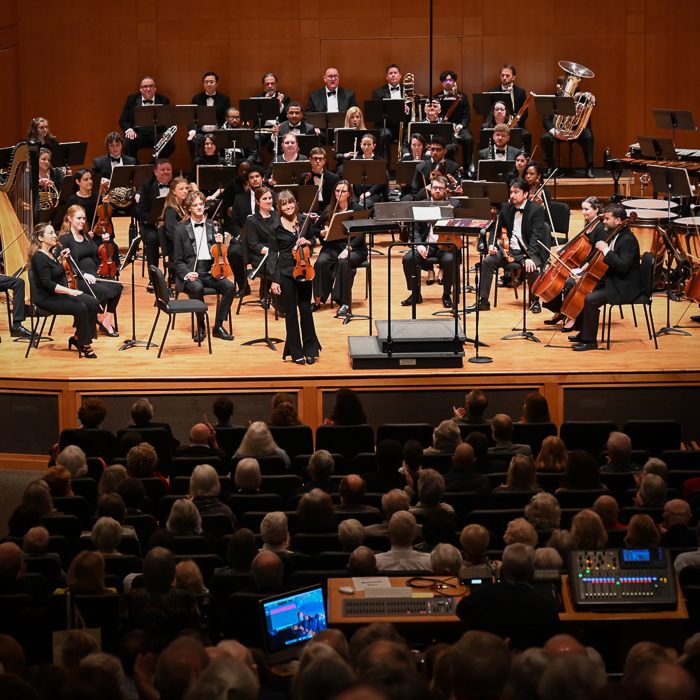
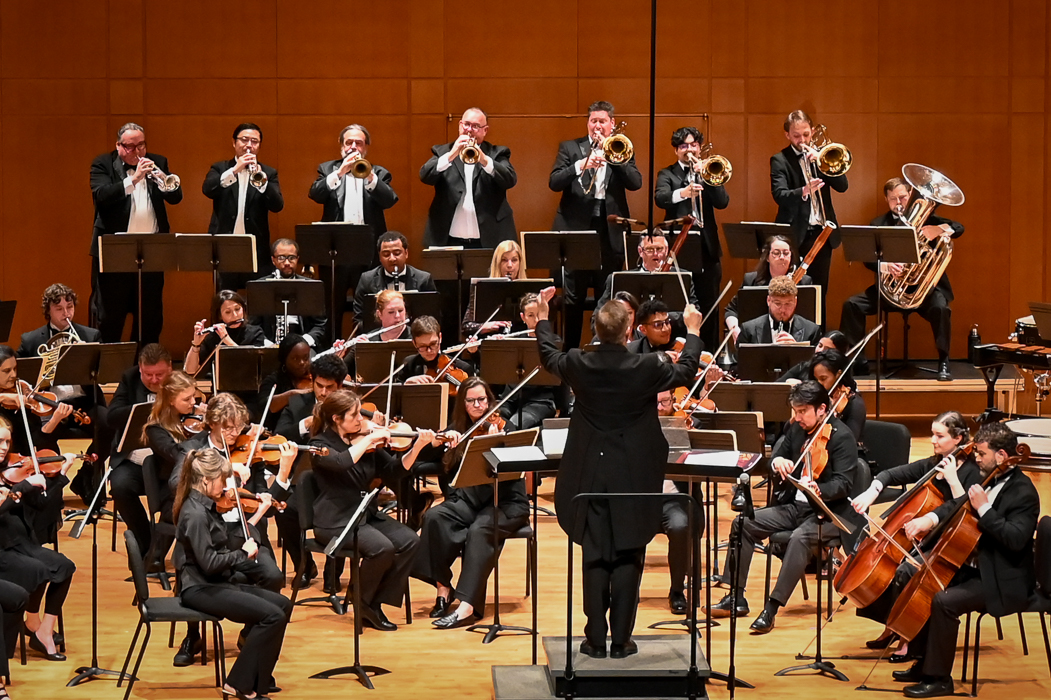
From there, the program leaned fully into Americana, with Sousa’s Washington Post March setting a confident, forward-moving tone. The LaGrange Symphony Orchestra delivered it with clarity and rhythmic snap, each entrance cleanly defined, giving the piece purpose and lift. That energy carried seamlessly into The Stars and Stripes Forever, where the ensemble balanced brilliance with control. The brass section shone and the iconic piccolo line sparkled above a strong, unified foundation. It’s the kind of balanced cohesion that can feel effortless from the audience perspective, though it is anything but easy to achieve.
A Bridge That Continues
Speaking to the audience, Maestro Prior shared kind words about the wonderful relationship between the LaGrange Symphony Orchestra and The Joyce and Henry Schwob School of Music at Columbus State University in Columbus, Georgia. He acknowledged this year’s graduating seniors by having them stand for a round of applause. He then asked to see how many in attendance (audience and on stage) had current or previous affiliations with this renowned school. Impressed at their large number, the audience applauded again.
America the Beautiful offered a natural shift to a broader, more reflective sound. The phrasing here was spacious, allowing the melody to breathe and resonate, drawing the audience into a quieter kind of connection. It was well placed within the program as it served as a meaningful transition before Ron Nelson’s Savannah River Holiday. Full of rhythmic vitality and rich orchestral color, Savannah River Holiday captured both playfulness and sophistication. This brought the first half of the concert to a vibrant close.
Context and Connection
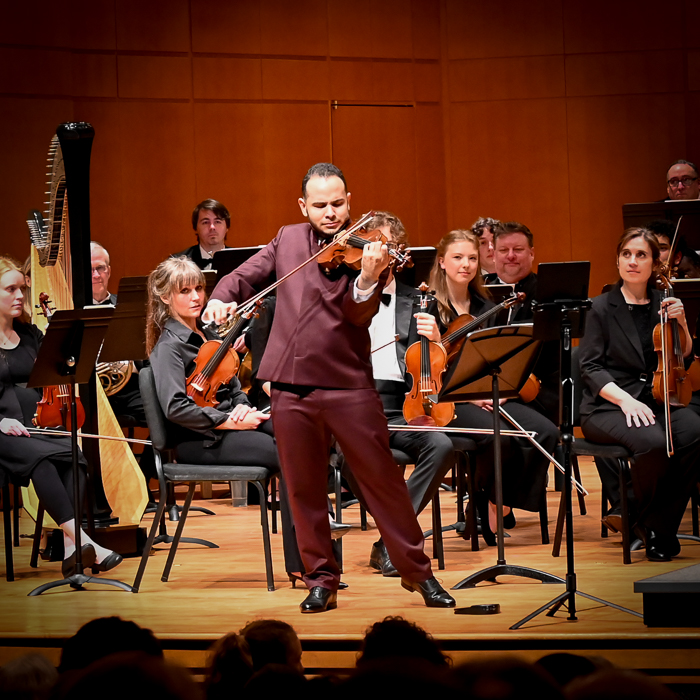
After intermission, the evening shifted to the Georgia premiere of Andres Martin’s Morgante Violin Concerto, performed by Samuel Vargas Teixeira. This was a moment of making history within a program that also celebrated it.
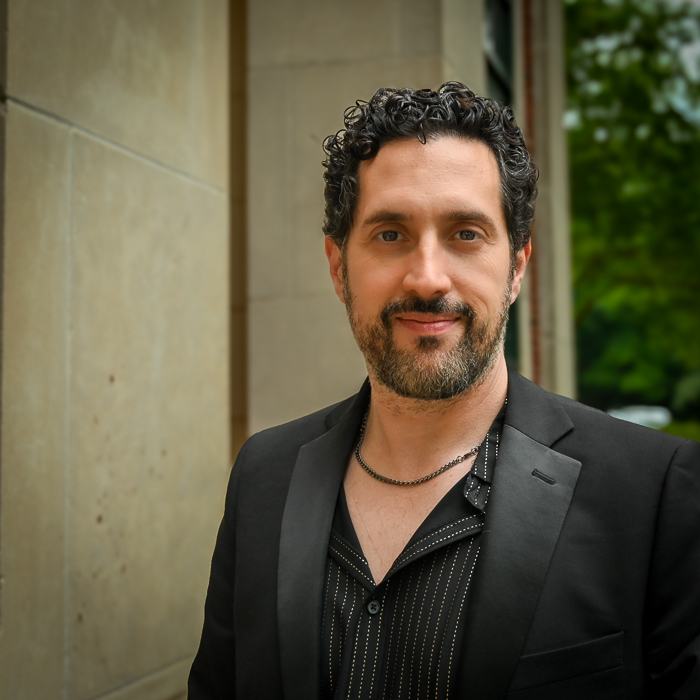
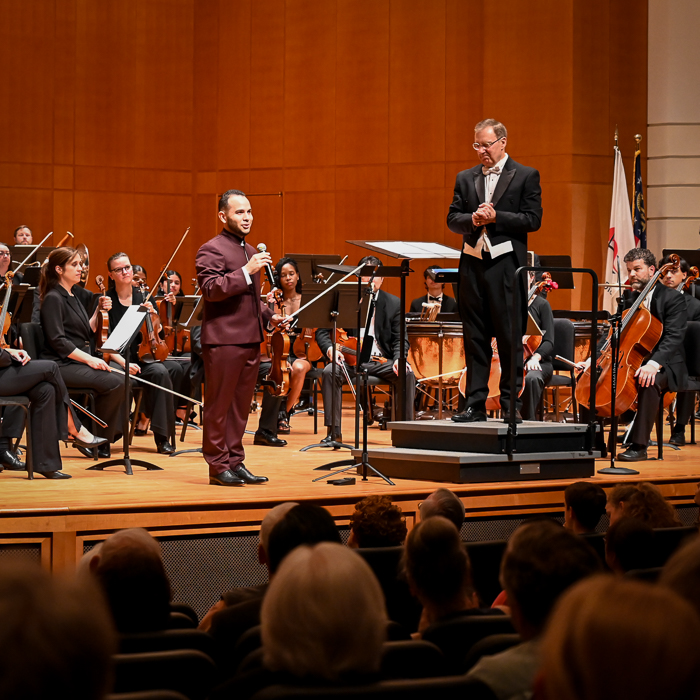
Before a single note was played, Samuel invited the audience into the story behind the music. He also spoke about the late conductor Michael Morgan, in whose memory the concerto was written setting a reflective tone for the performance to come. He then recognized Roger Arvid Anderson, who commissioned the work, and composer Andres Martin, both in attendance. Sergiu Schwartz of Columbus State University—his former teacher and now colleague was also in the hall and had graciously loaned him the rare 1890 Giuseppe Bonora violin for this performance.
The Story Behind the Sound
What followed was not just context, but something deeply human. Samuel Vargas reflected on the concerto’s three movements—I. Odyssey, II. Prayer, and III. Ascension—and shared how the piece was shaped during the uncertainty of the COVID-19 pandemic. He described playing passages for his mother while she was hospitalized, a time marked by fear and hope in equal measure. Her eventual recovery—against steep odds—gave the music an added dimension that could be felt as much as heard.
And then, he played.
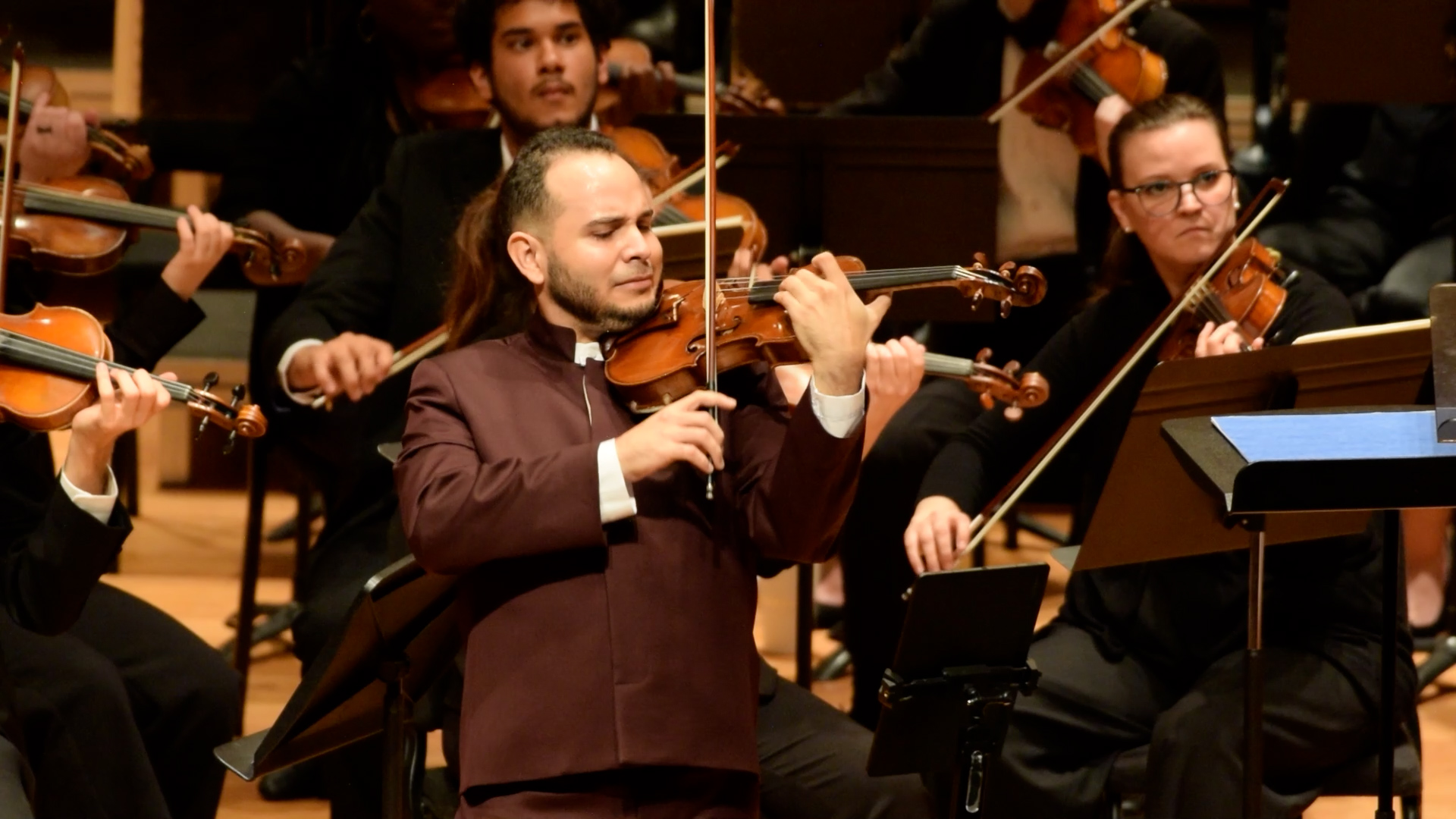
From the first notes of Odyssey, you could feel the room’s attention sharpen. Samuel’s performance was striking—technically refined, but even more so in its clarity and intent. It was also evident that this work had real depth at its core, thoughtfully constructed and rich in emotional and structural detail. Prayer unfolded with a quiet focus that held the hall, drawing everyone inward. Ascension followed with a gradual build, shaped with control and momentum, rising in intensity but without hurry. When the final notes settled, the audience response was heartfelt—a standing ovation that grew quickly and carried a real sense of appreciation for both the performance and the composition itself.
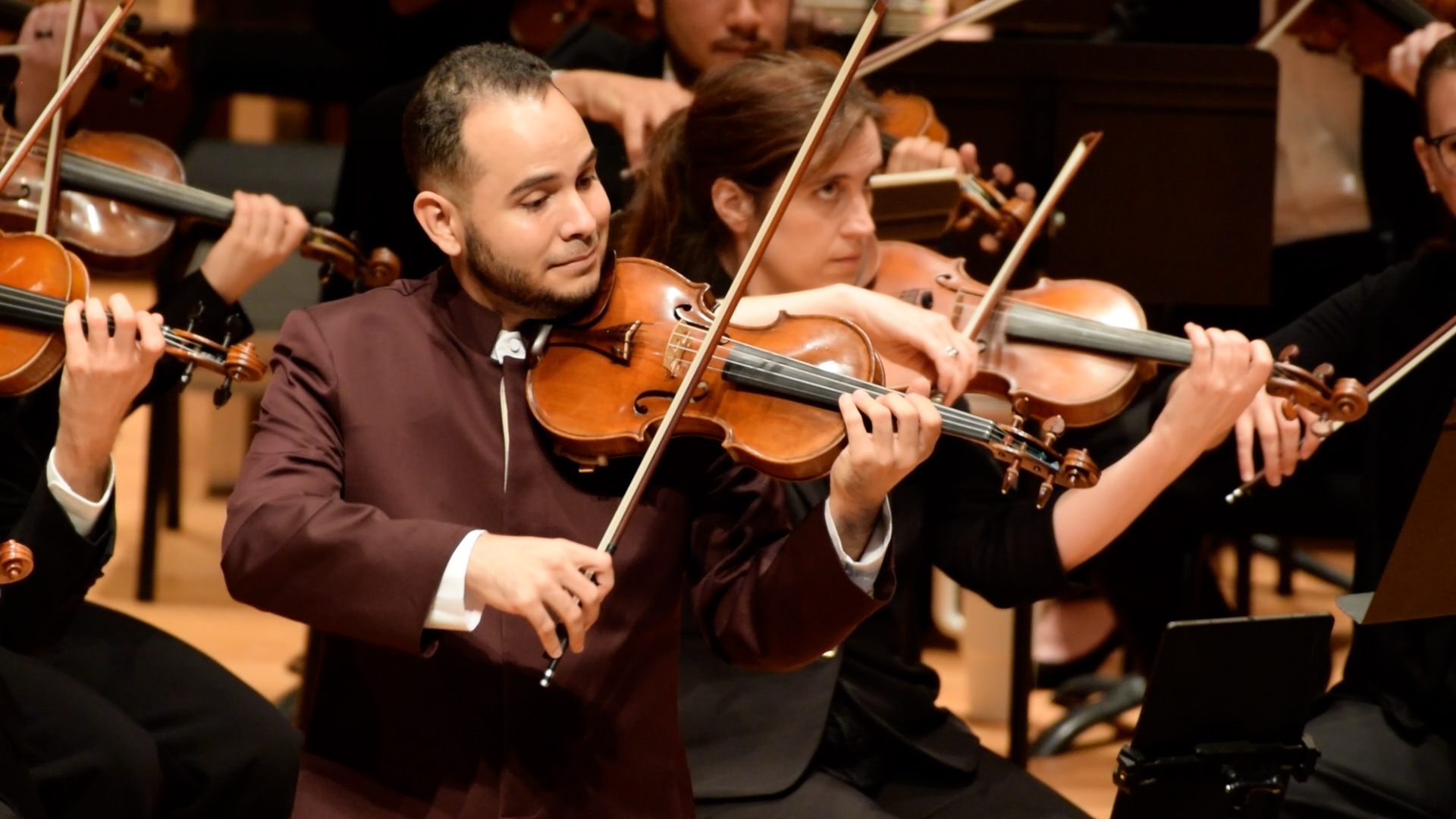
An Encore of Fearless Expression
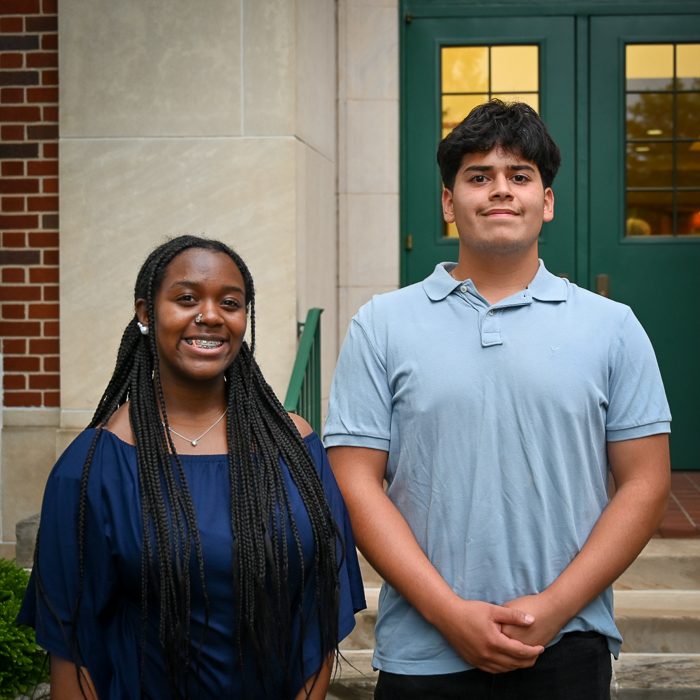
Samuel returned to the stage for an encore that extended the magic even further—playing, singing, and even whistling, blurring the boundaries of performance in a way that felt joyful and completely authentic. It was a gift, and it was met with delight, applause, and shouts of approval. Students came forward to present him with a stunning bouquet of flowers, and he graciously knelt down to speak with them—a simple, beautiful gesture that captured the spirit of the evening.
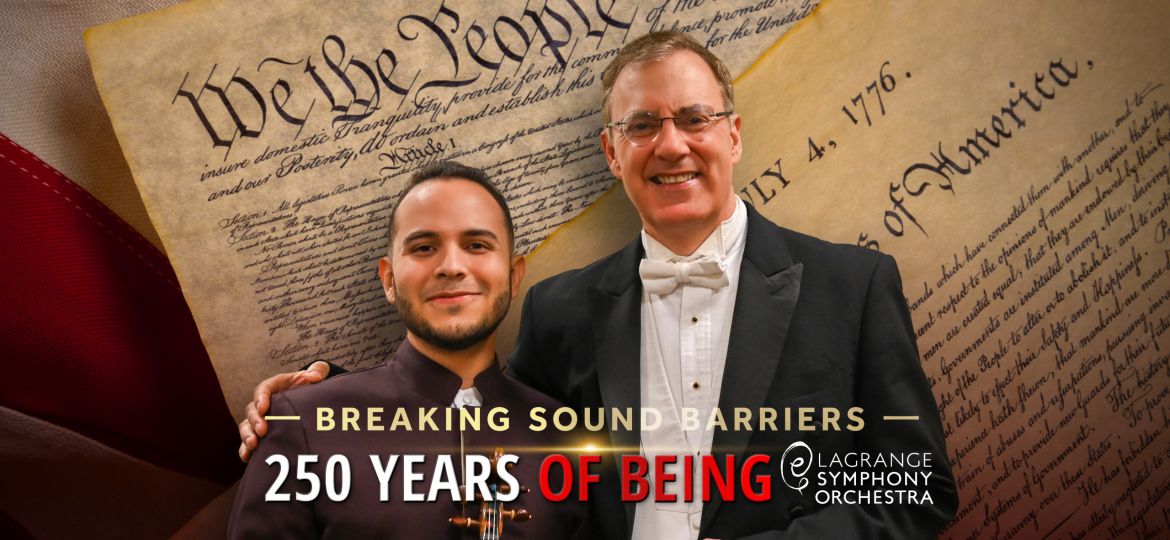
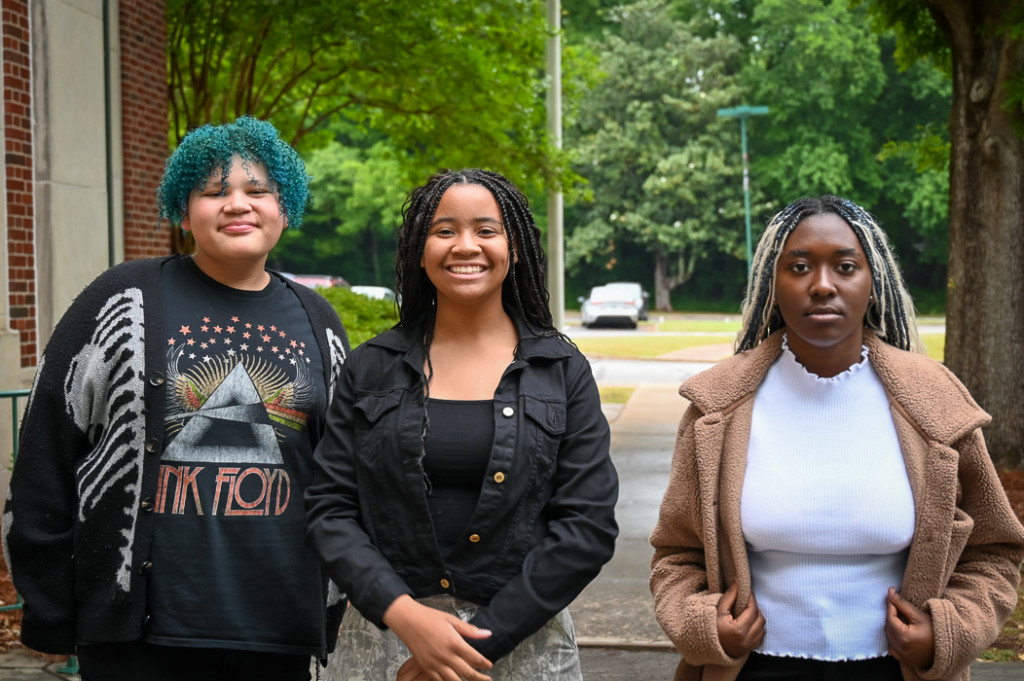
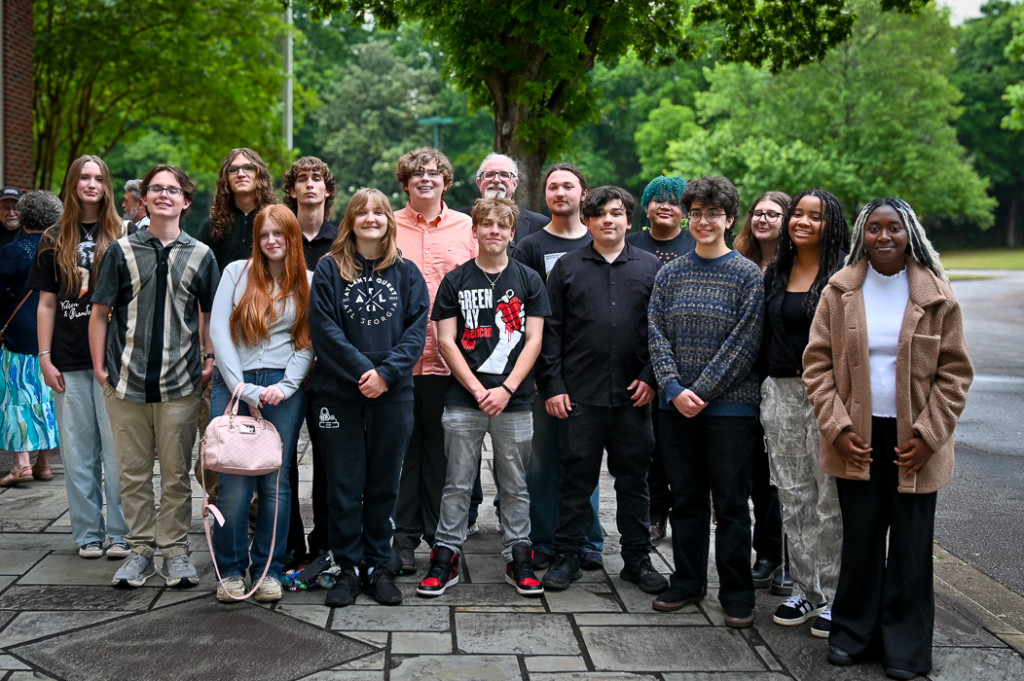
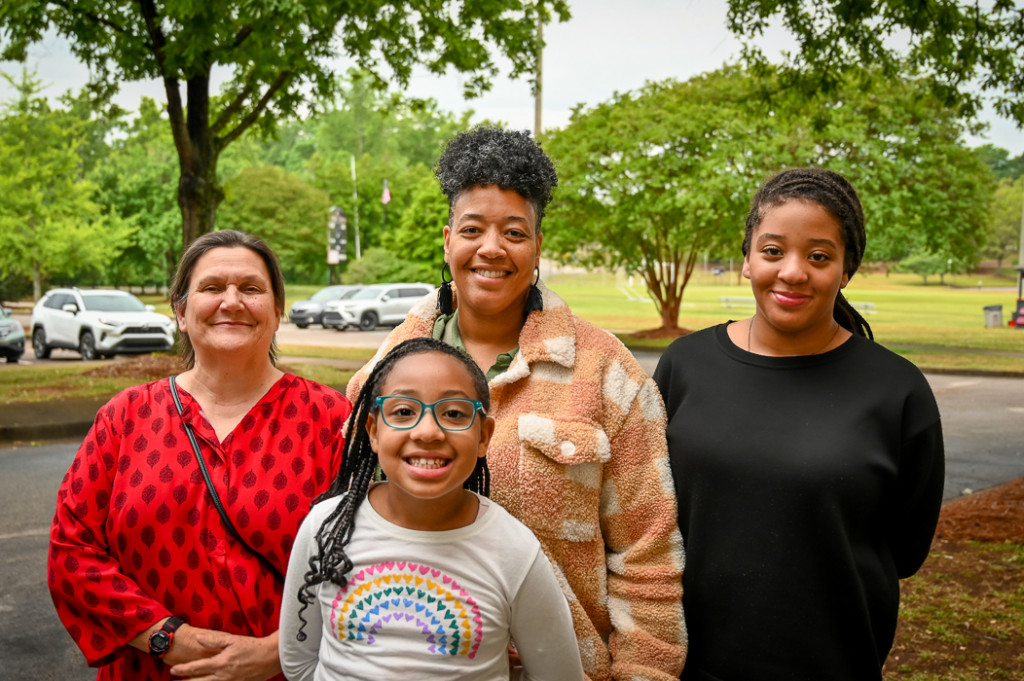
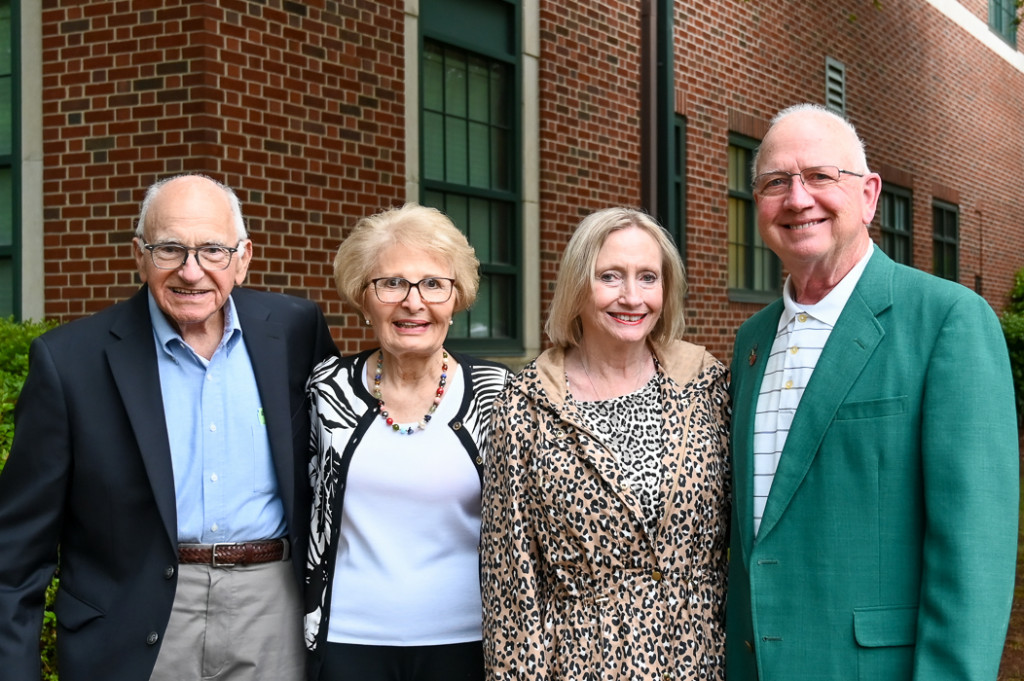
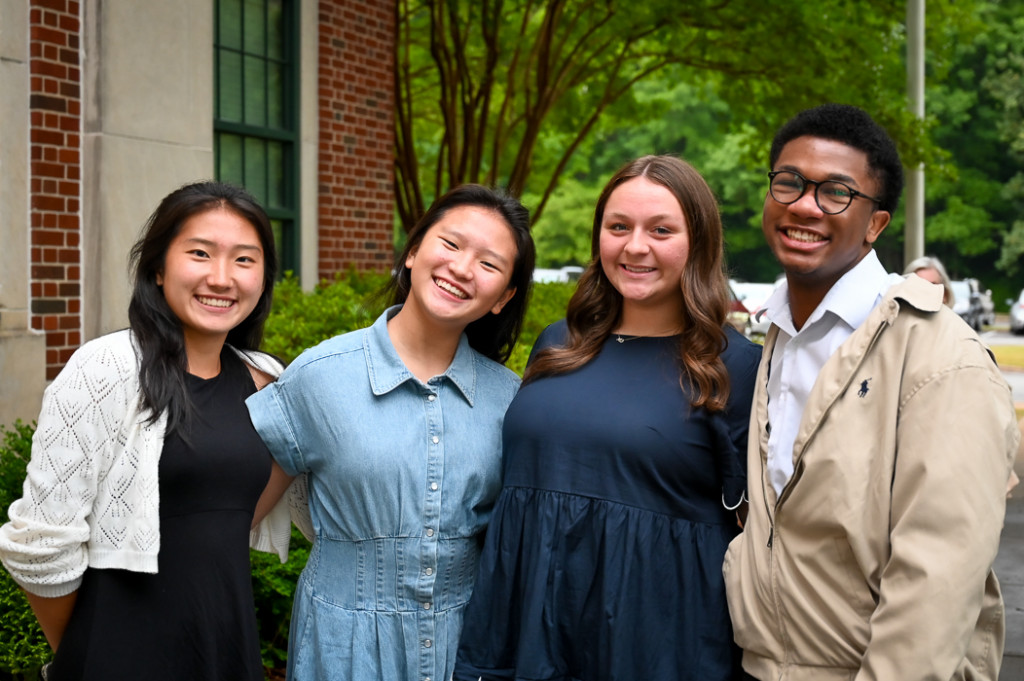
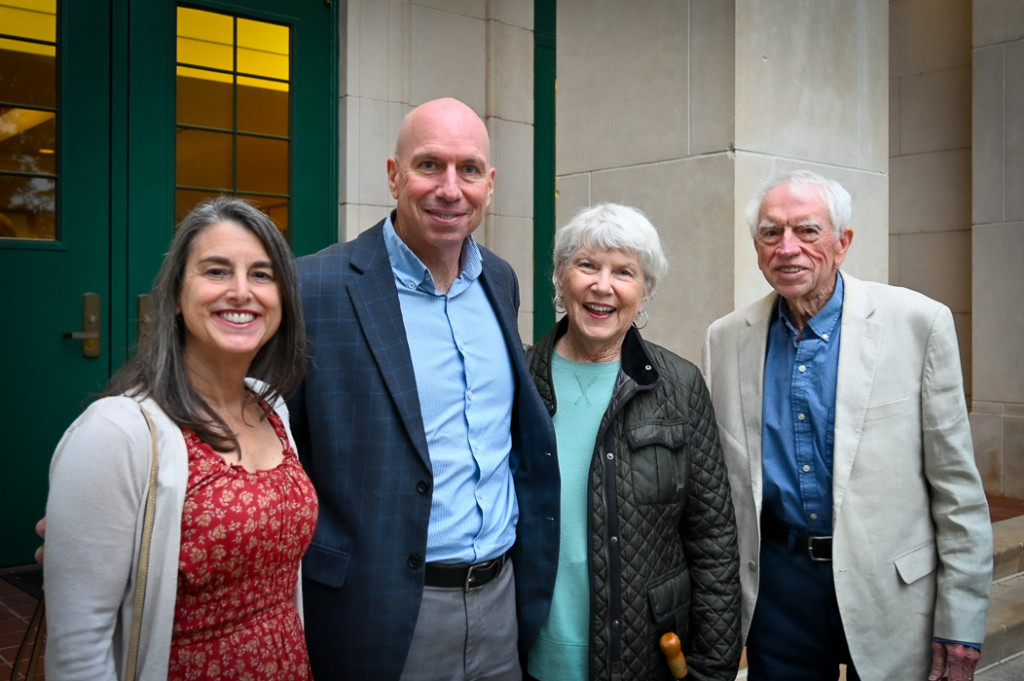
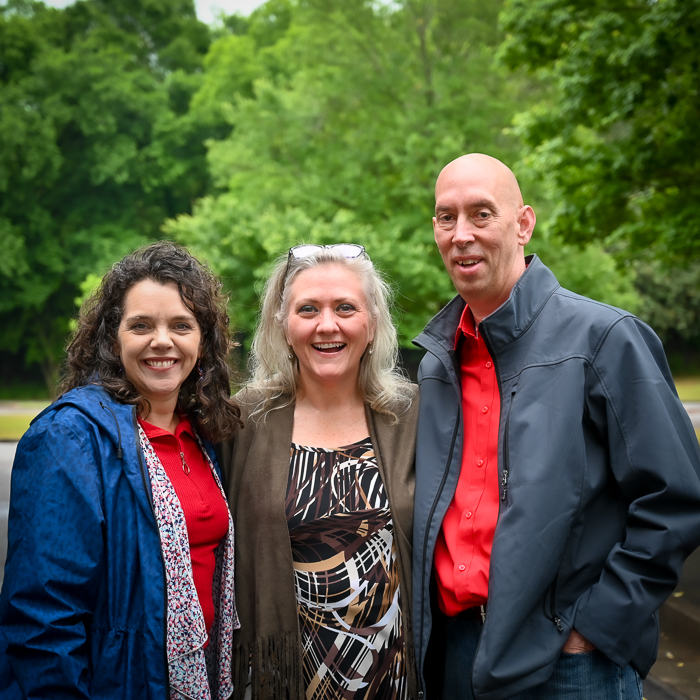
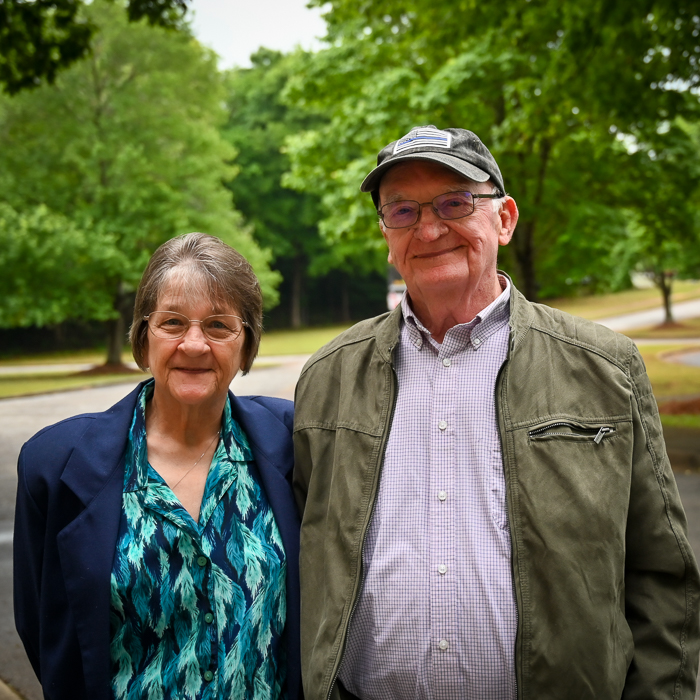
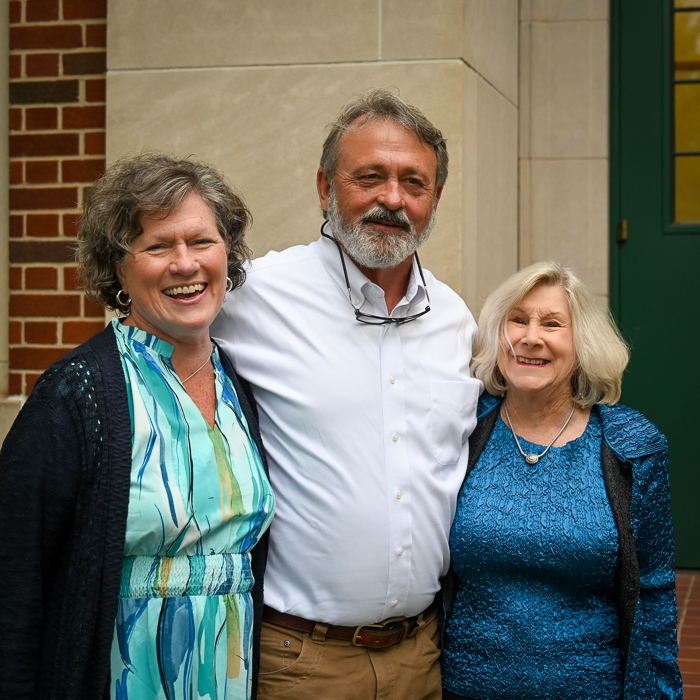
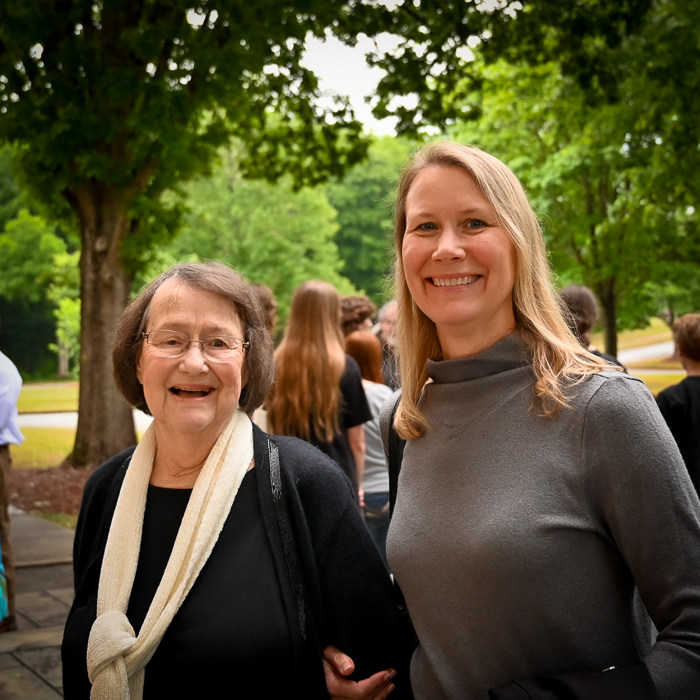
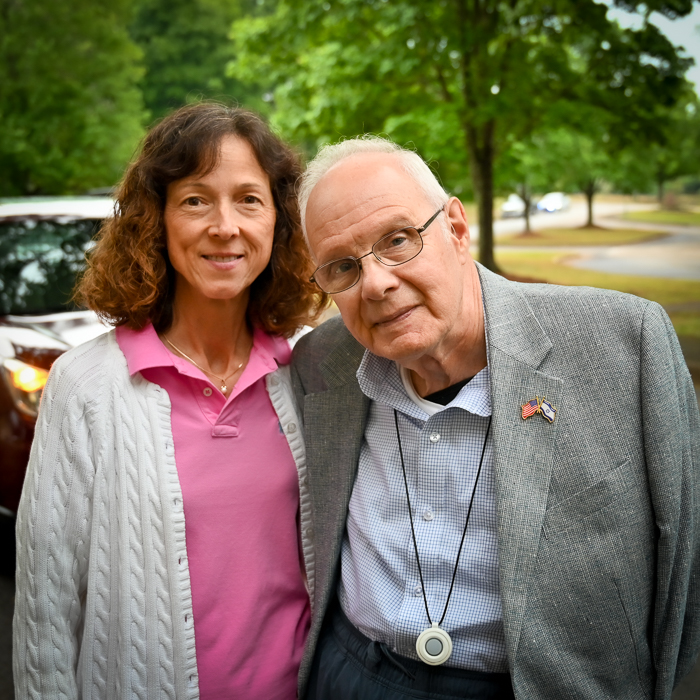
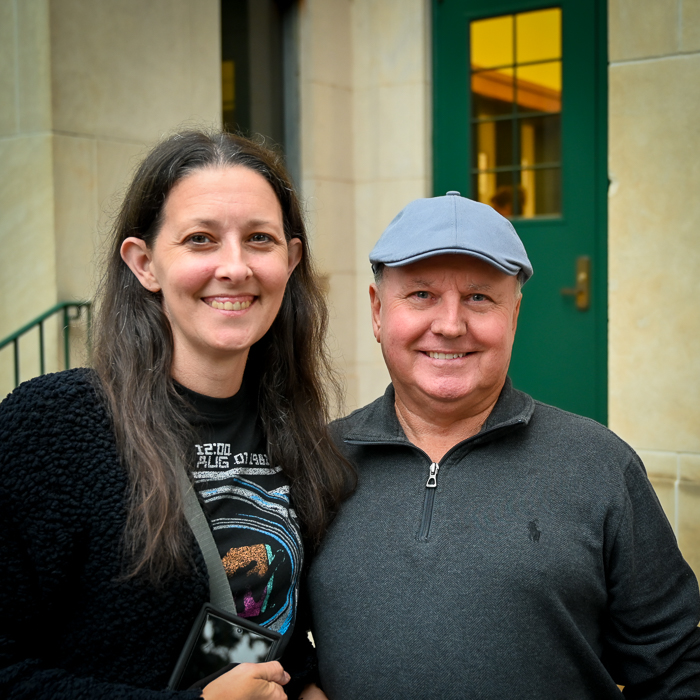
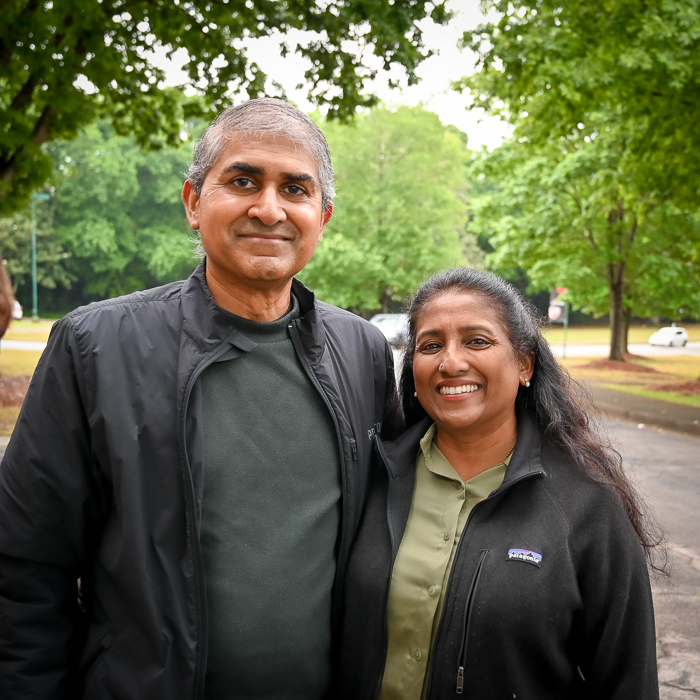
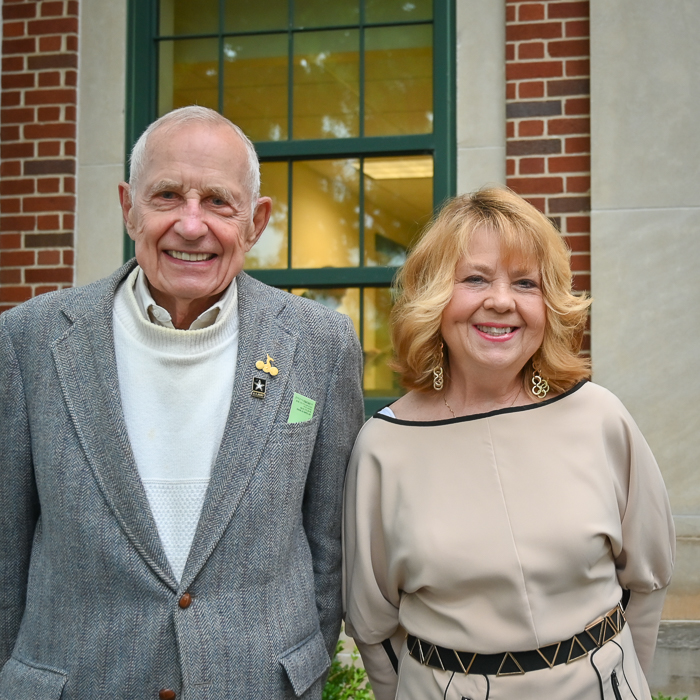
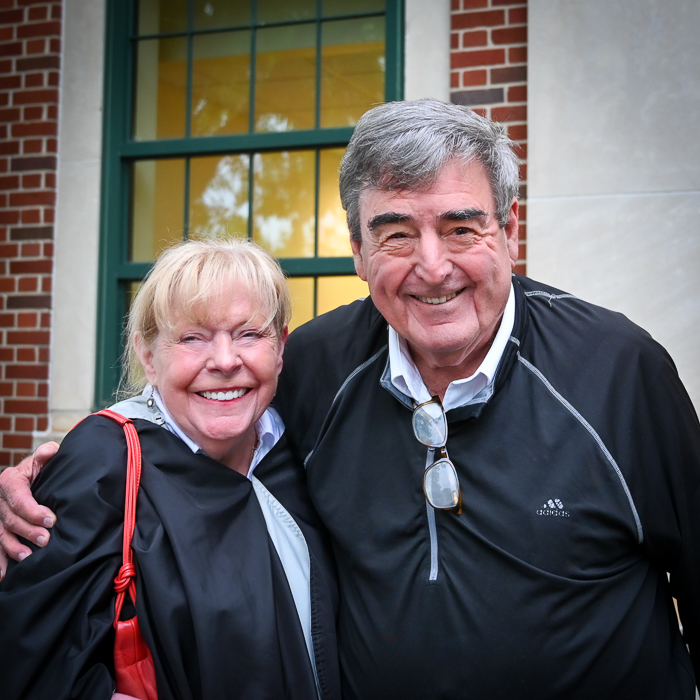
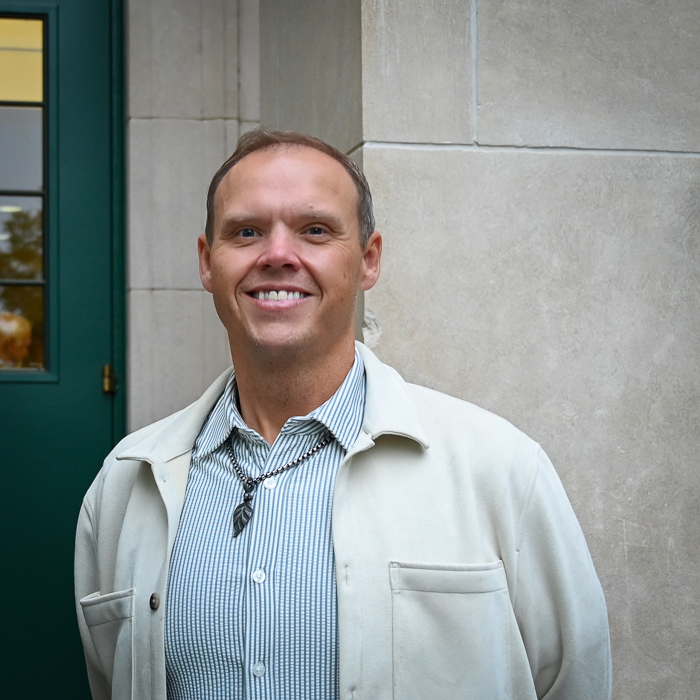
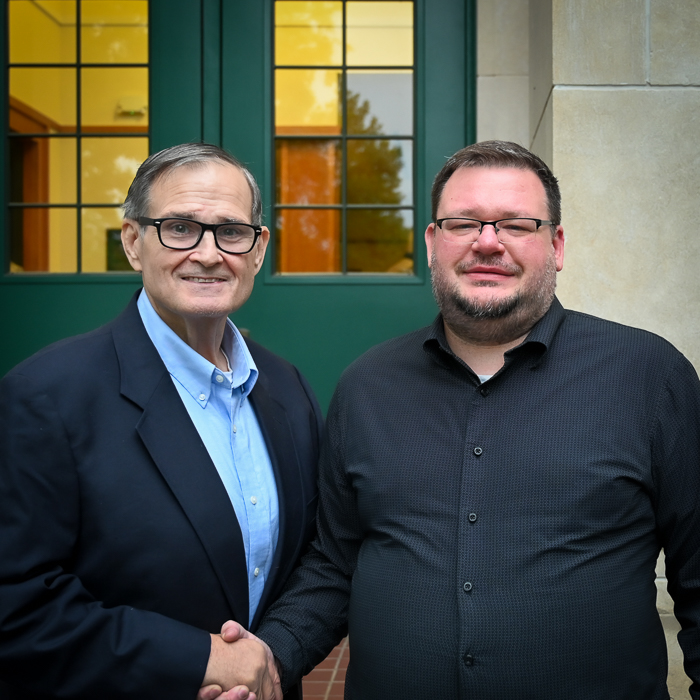
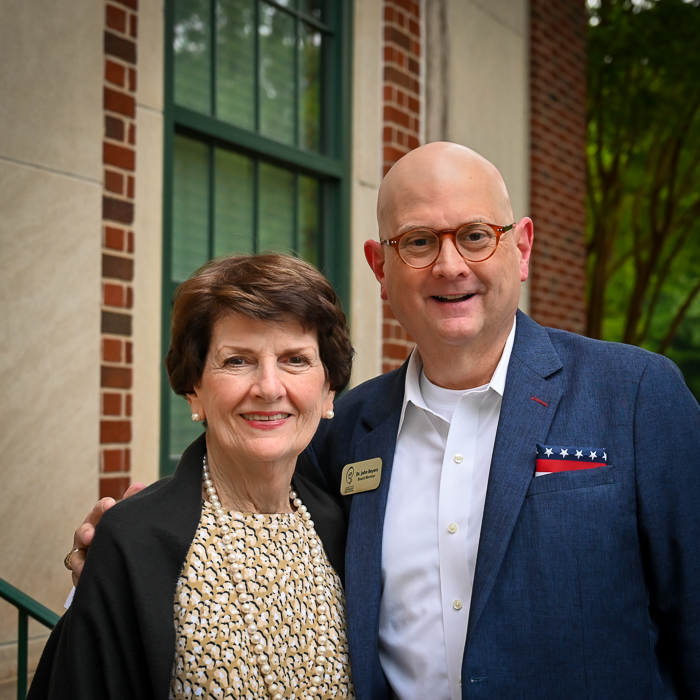
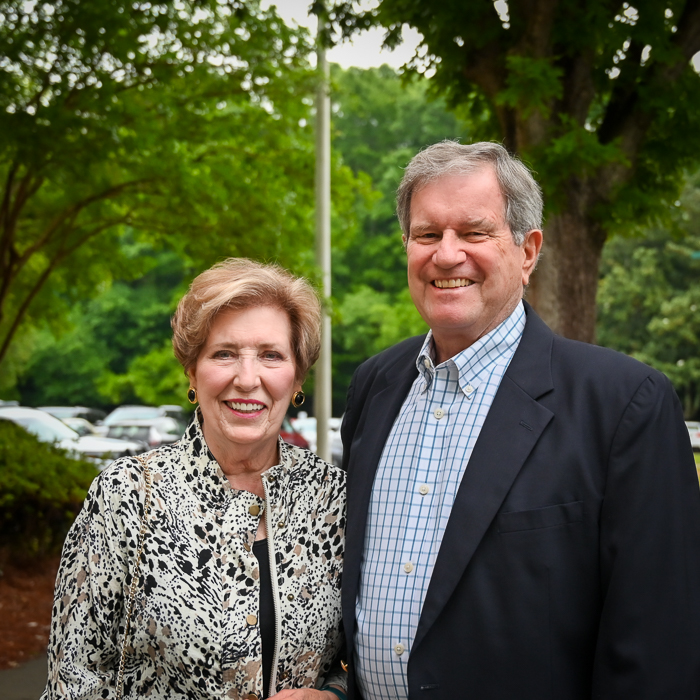
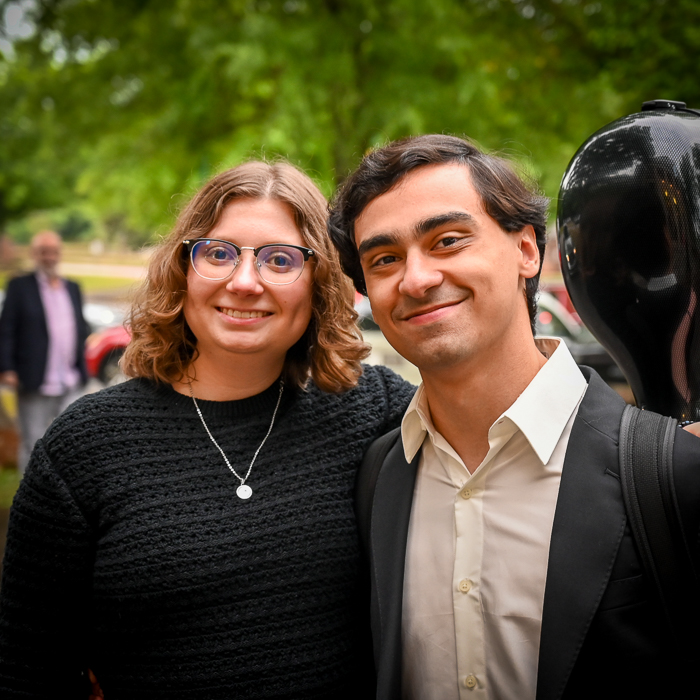
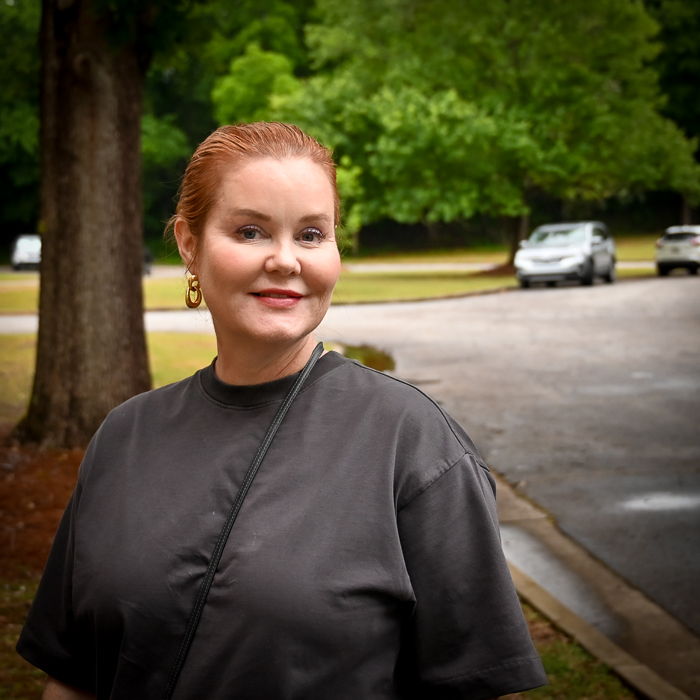
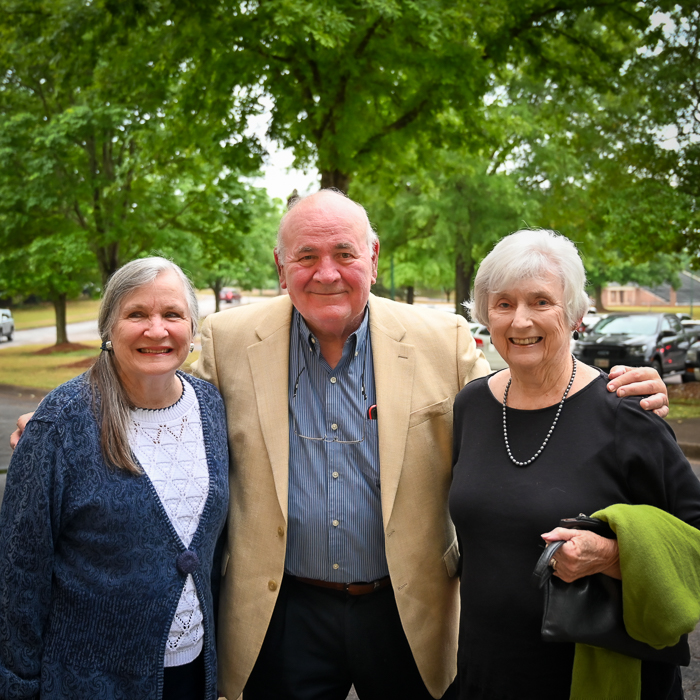
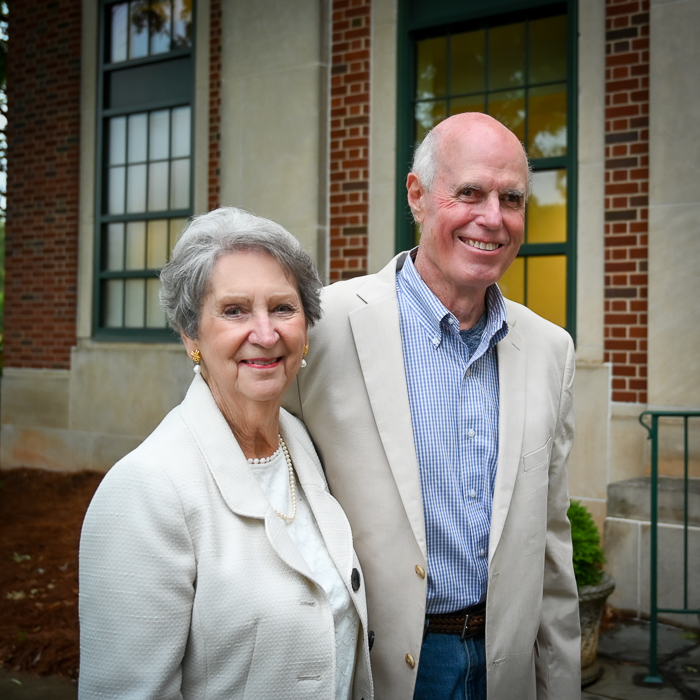
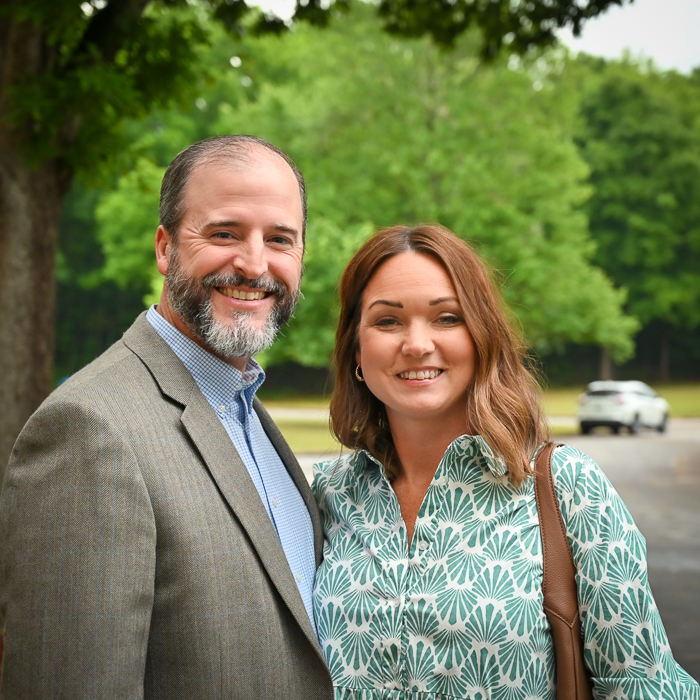
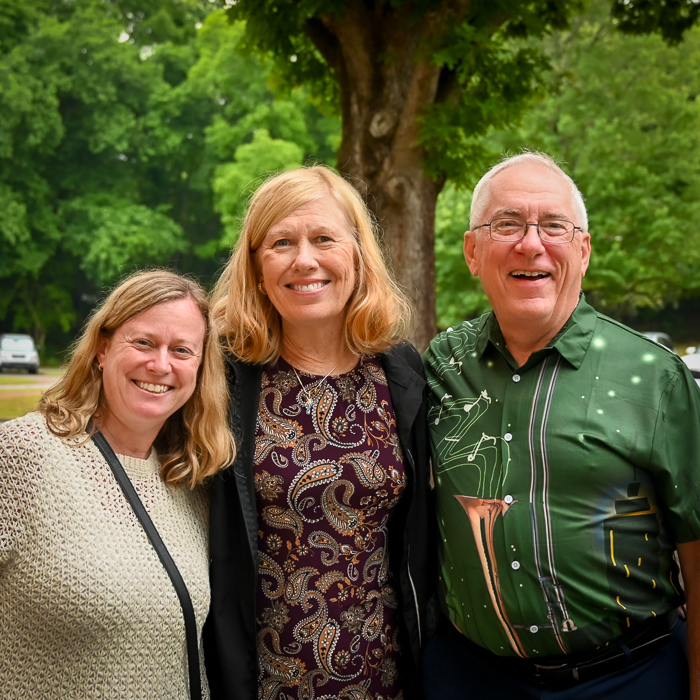
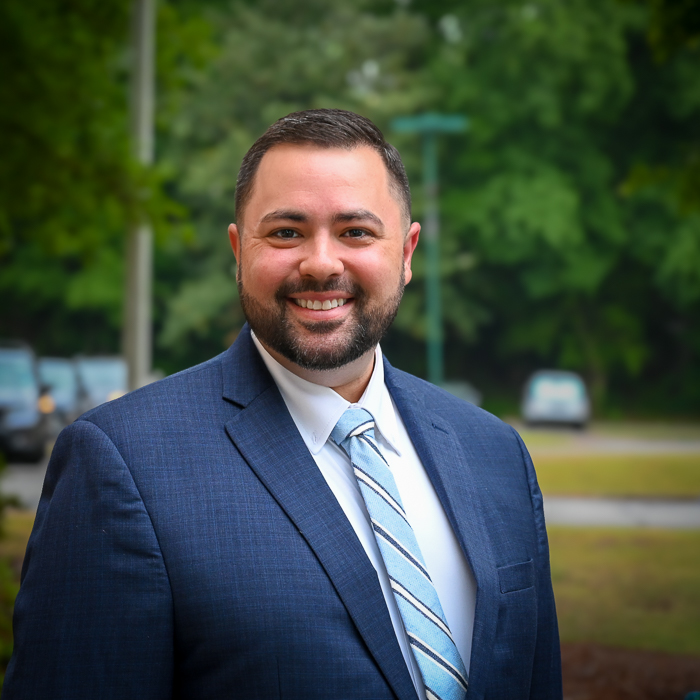
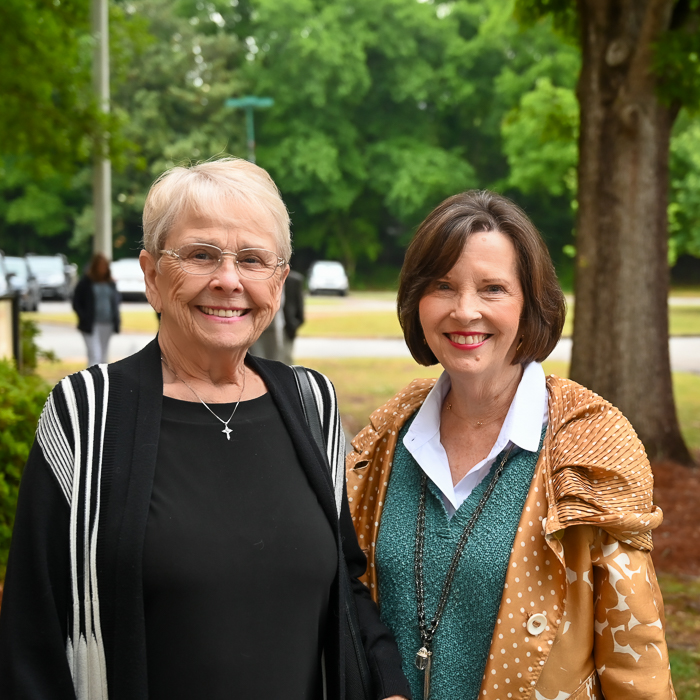
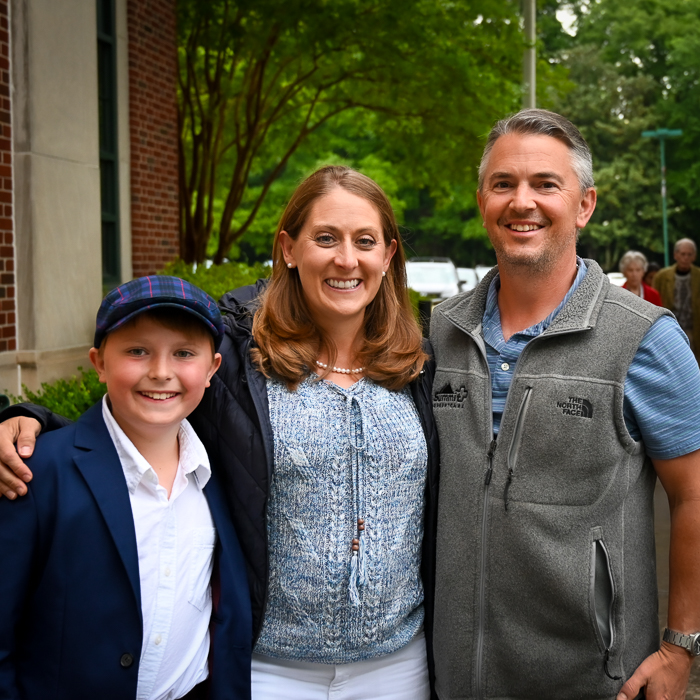
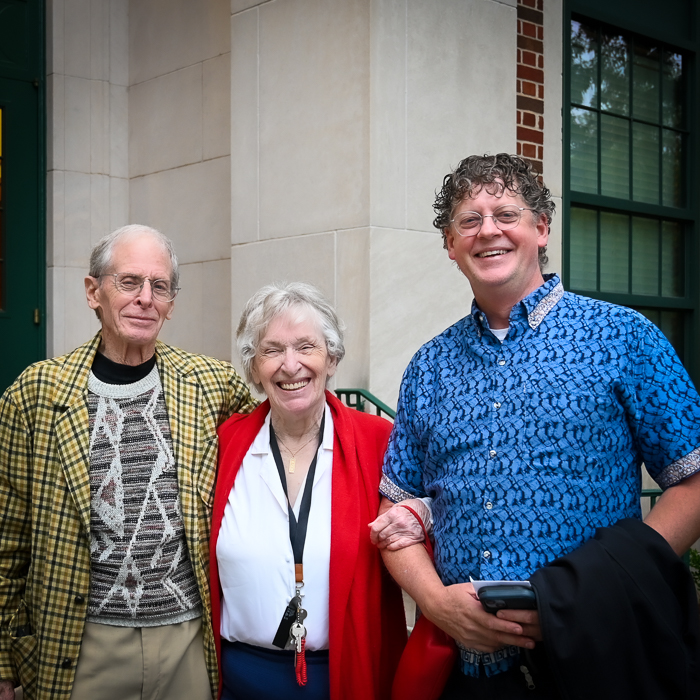
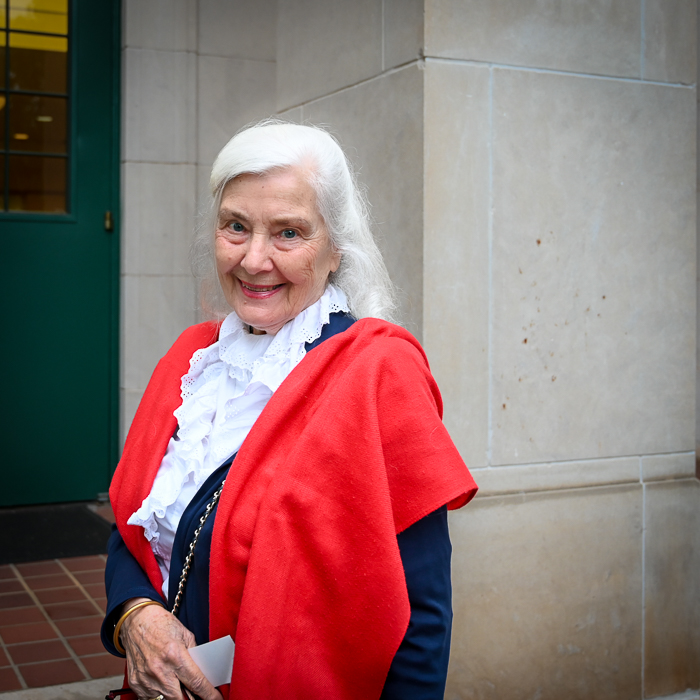
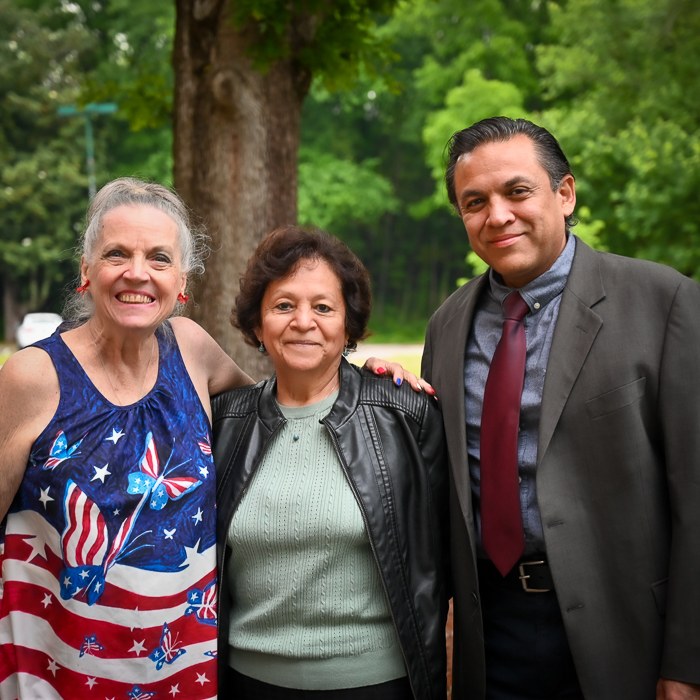
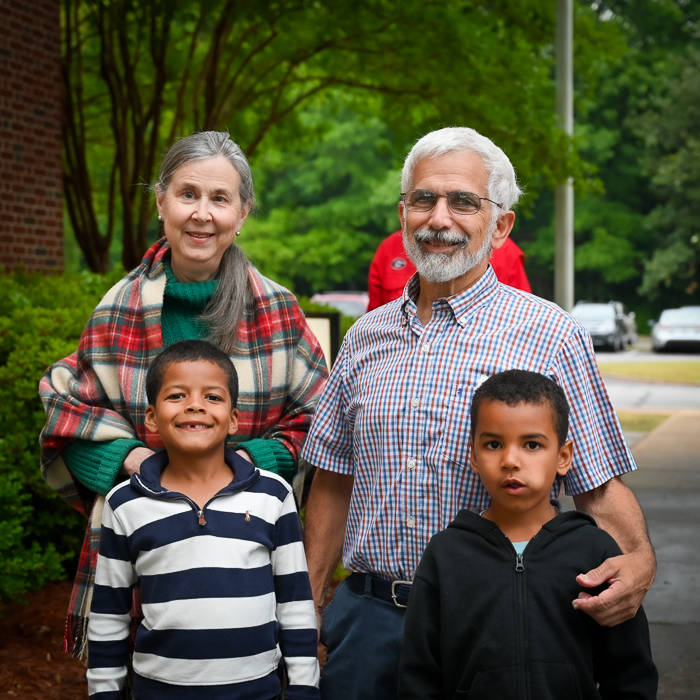
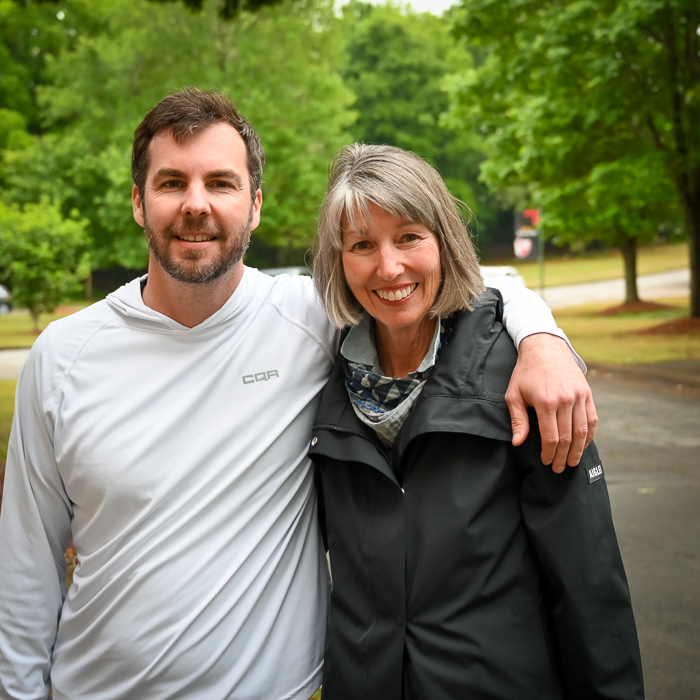
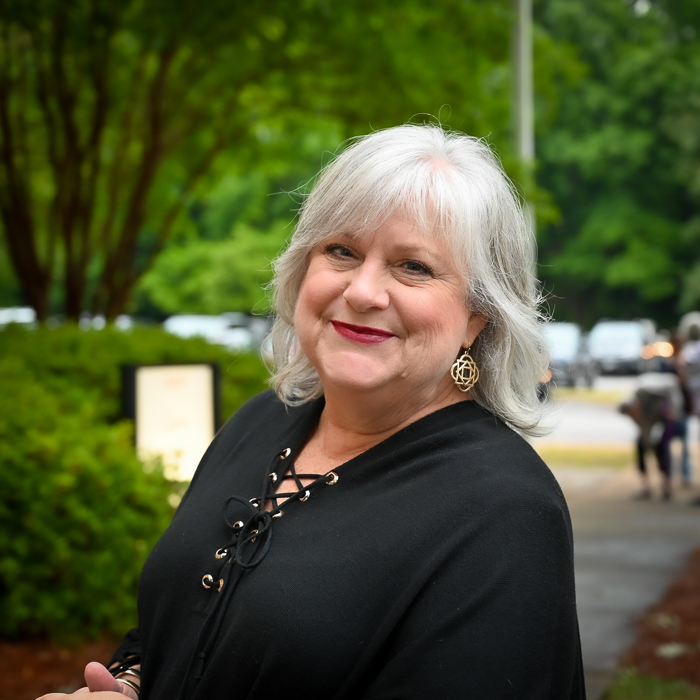
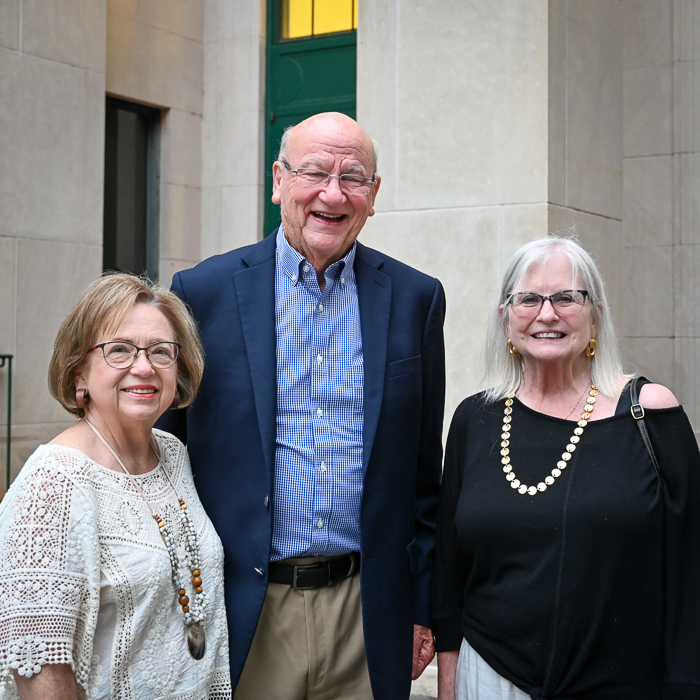
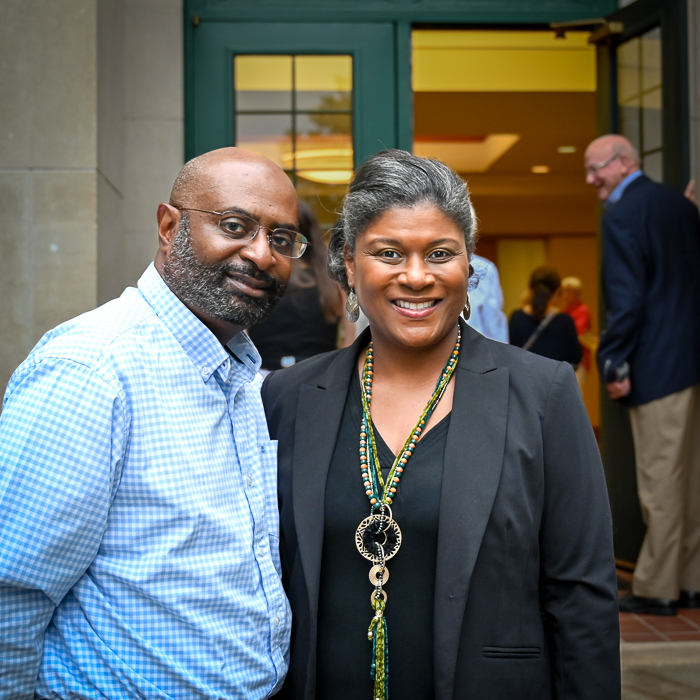
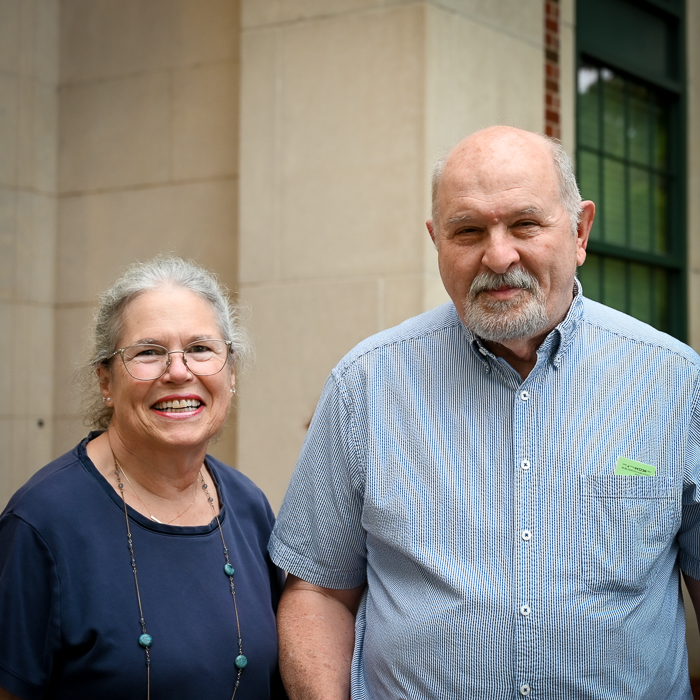
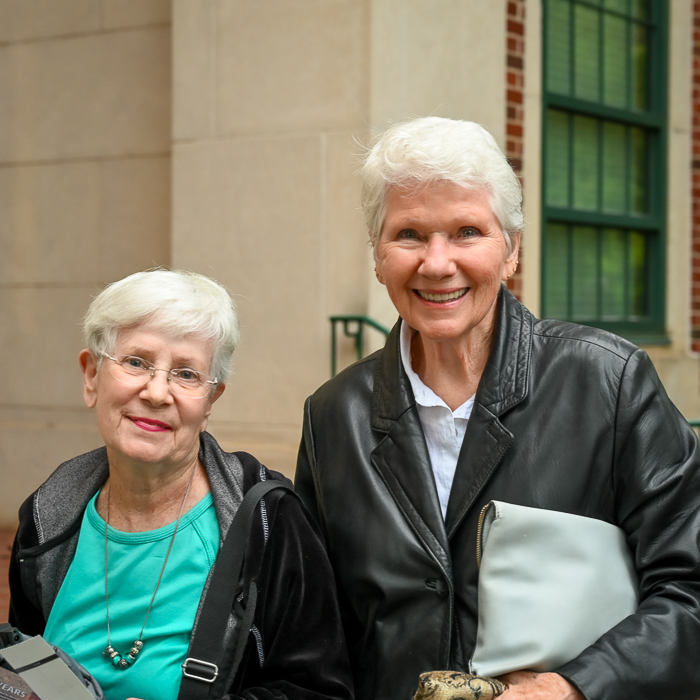
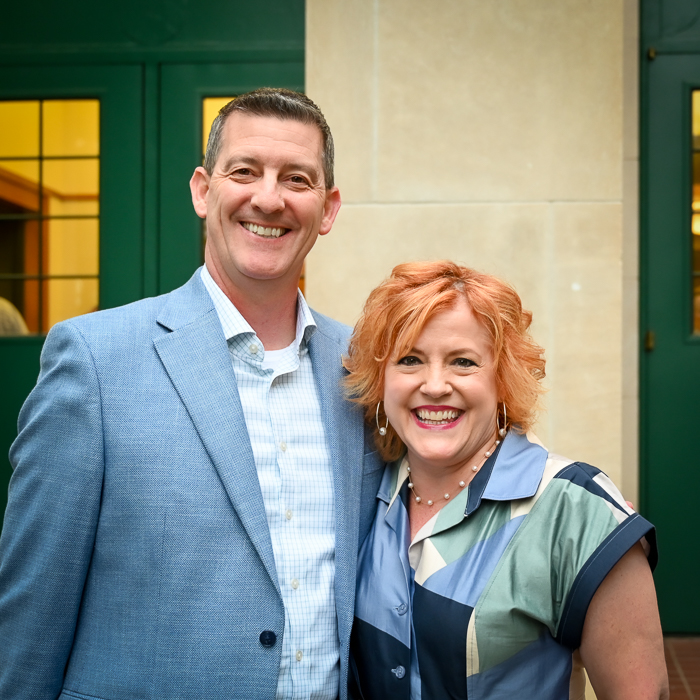
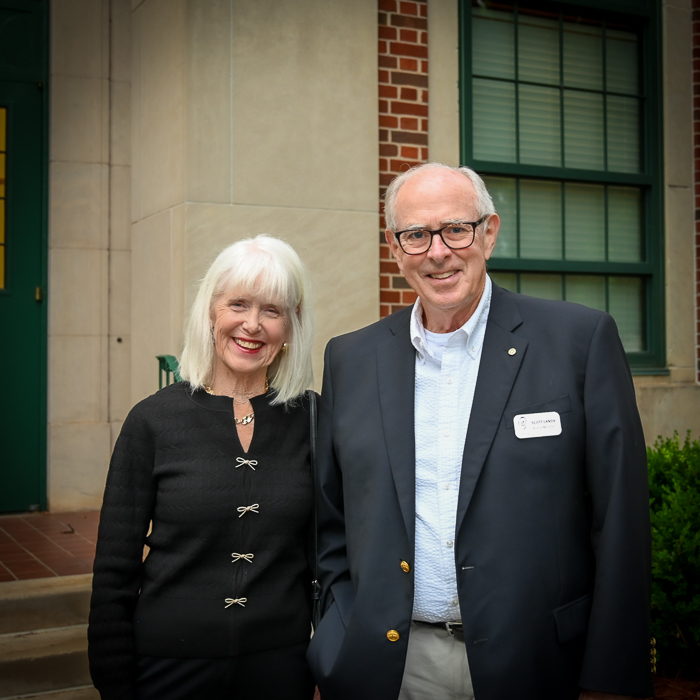
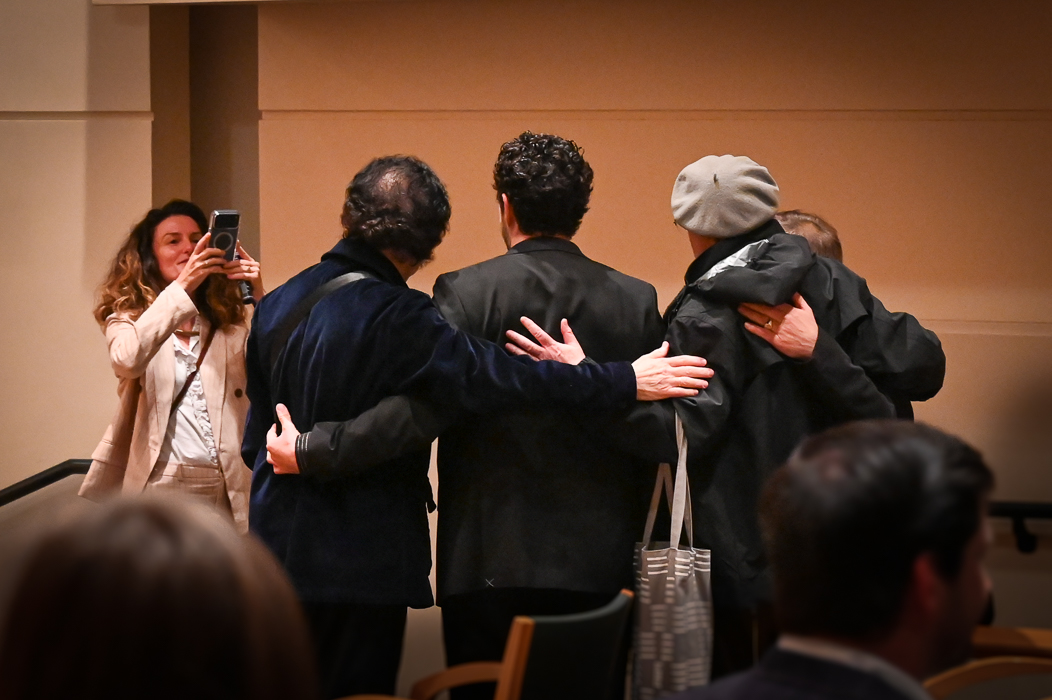
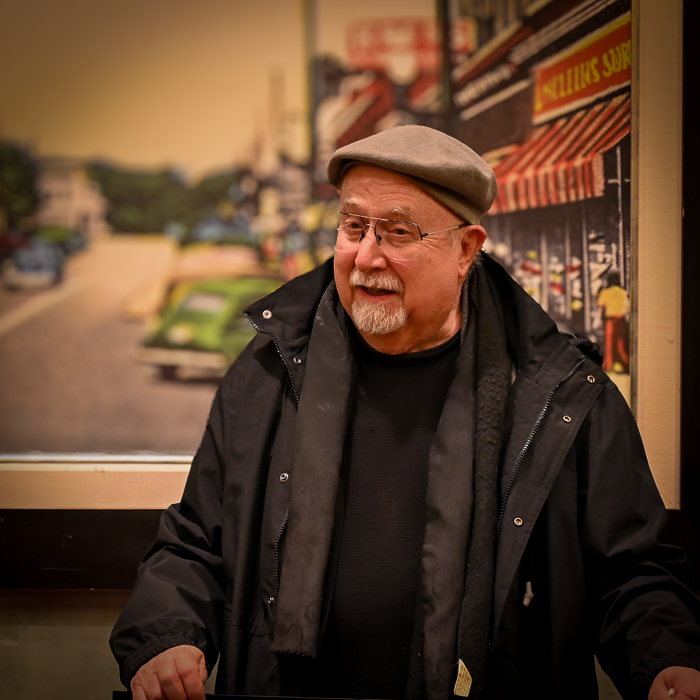
Even as the concert concluded, the energy didn’t dissipate. Conversations lingered, with many sharing a common sentiment: this was a night they wouldn’t soon forget. That feeling carried into the candid moments that followed—where even a carefully posed photo, taken from another perspective, wouldn’t quite reveal what was truly there. What stands out isn’t who they are, but how they are together—marked by genuine respect and an easy, unmistakable sense of connection. It’s a small moment, easily overlooked, yet it reflects something larger about the evening: not just a performance, but a shared experience that brought people together in a lasting way.
Carrying the Moment Forward
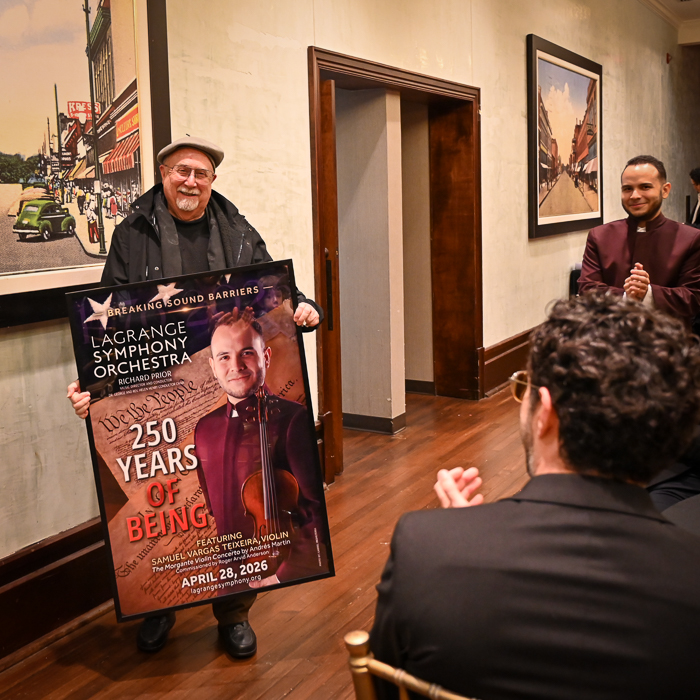
The presence of commissioner Roger Arvid Anderson, composer Andres Martin, and other distinguished guests reflected the depth of connection surrounding Morgante. The celebration continued at the musicians’ end-of-season gathering, where Samuel Vargas Teixeira presented Mr. Anderson with a framed commemorative print of the concert program cover. Mr. Anderson’s brief remarks reflected both gratitude and the deeper impact of the work—a fitting close to a night rooted in connection.
Looking Ahead
As meaningful as this concert was, it also pointed forward.
The LaGrange Symphony Orchestra’s 2026–2027 season invites audiences to listen differently—to notice the moments that shape what comes next, and to experience music not just as sound, but as something lived and shared:
- September 22, 2026 – Symphony Spectacular
- October 27, 2026 – Rhapsodies & Dances
- December 8, 2026 – Holiday Magic
- March 23, 2027 – Symphony Superheroes!
- April 20, 2027 – Musical Revolutionaries
If “250 Years of Being” reminded us of anything, it’s this: the most powerful moments in music aren’t just performed—they’re experienced together, and they stay with us long after the final note.